
Date 21 May 2026
| Post pregnancy body changes that don't go away include loose skin, muscle separation, breast sagging, pelvic issues, and stubborn fat, many of which are structural, not just related to weight or fitness. Diet and exercise improve overall health but cannot fully reverse tissue damage, hormonal shifts, or elasticity loss affecting the body after pregnancy in India. Effective solutions range from rehabilitation to cosmetic surgery after pregnancy, including mommy makeovers in Hyderabad, based on individual condition and severity. |
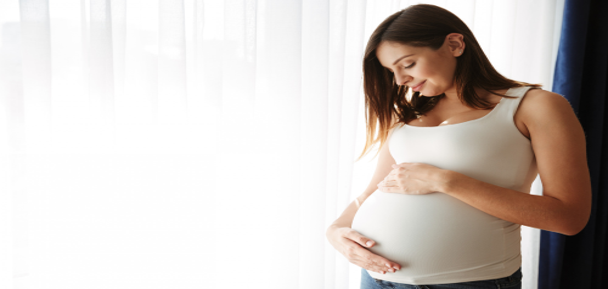
Image Credit: Freepik
Pregnancy changes the body at a structural and hormonal level. Some of these changes respond well to diet and exercise. Others don't, because they are not simply about fat gain or fitness loss. This is where most confusion happens.
Many women assume that with enough discipline, their pre-pregnancy body will return. But certain post pregnancy body changes that don't go away are linked to muscle separation, tissue damage, hormonal shifts, and skin elasticity, none of which can be fully corrected through lifestyle changes alone.
It is important to understand these changes before deciding what to do next, especially when you are weighing down the benefits of cosmetic surgery after pregnancy and evolving treatment options in the body after pregnancy in India's landscape.
Doctor's Note
Many women come to us frustrated after months of disciplined effort with little visible improvement. In most cases, the issue isn't lack of commitment — it's that the change they're experiencing is structural, not weight-related. A proper evaluation helps distinguish what lifestyle can improve from what requires medical support.
One of the most common and misunderstood changes after pregnancy is diastasis recti. During pregnancy, the abdominal muscles stretch to accommodate the growing uterus. In many cases, they don't fully return to their original position after delivery.
Women often notice:
Standard workouts do not repair muscle separation. In fact, certain exercises like crunches or aggressive core work can worsen the gap if not done correctly. Fat loss also has no impact on reconnecting muscle tissue.
Management depends on severity:
This condition is a primary example of post pregnancy body changes that don't go away, and one of the most common reasons women consider structured solutions like mommy makeover Hyderabad procedures.
Explore our Services: Body Contouring After Pregnancy: Restoring Your Pre-Baby Body
Pregnancy stretches the skin beyond its natural elastic limit. Once this threshold is crossed, the skin does not fully retract. The underlying collagen and elastin fibers lose their ability to recoil, resulting in permanent changes.
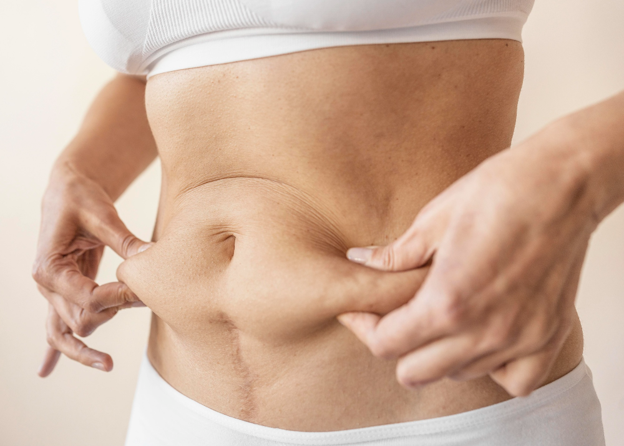
Image Credit: Freepik
In most cases, this change becomes visible in a gradual but noticeable manner. Women often report:
Skin elasticity is governed by collagen and elastin, which provide structural support and flexibility. Once these fibers are overstretched or damaged, their regenerative capacity is minimal. Even when fat loss is achieved through disciplined diet and exercise, the skin does not tighten proportionally. This is why many women reach their target weight but still notice excess skin.
In India, especially in urban centers, this is one of the most common concerns addressed through mommy makeover Hyderabad procedures. Moderate to severe cases typically require cosmetic surgery after pregnancy, most commonly a tummy tuck.
Explore: Mommy Makeover Surgery in Hyderabad
Need expert guidance?
Our specialists at Eternelle Aesthetics offer personalized assessments to help you understand what is structural, what is reversible, and what options are appropriate for your body.
Book Your Consultation →Breast tissue undergoes significant transformation during pregnancy and breastfeeding. Initially, hormonal changes increase breast volume, but after lactation ends, there is often a reduction in glandular tissue and fat, leading to a noticeable loss of fullness.
This transition changes the breast's both shape and position. Common observations include:
Unlike muscles, breast tissue is primarily composed of fat and glands. Exercise can strengthen the underlying chest muscles, but it cannot restore lost volume or reposition sagging tissue. This is why even physically fit individuals may still experience significant breast changes post-pregnancy.
Correction typically requires medical intervention, depending on the outcome desired:
These treatments are commonly included in cosmetic surgery after pregnancy plans and form a central part of mommy makeover Hyderabad approaches for comprehensive body restoration.
The pelvic floor plays a critical role in supporting internal organs and maintaining core stability. During pregnancy and childbirth, these muscles are subjected to continuous strain, which can lead to functional weakness.
This is not always immediately visible but can significantly impact daily life. Women may experience:
These symptoms often persist if not addressed correctly.
General fitness routines do not effectively target the pelvic floor. In fact, high-impact or incorrectly performed exercises can sometimes worsen the condition. Additionally, connective tissue damage during childbirth may not recover without specialized intervention.
Doctor's Note
Pelvic floor concerns are among the most underreported post-pregnancy issues we see, especially in India. Many women normalise symptoms like urinary leakage when they are in fact treatable. Early assessment significantly improves outcomes and avoids long-term complications.
Treatment requires a targeted and structured approach:
This remains one of the most overlooked post pregnancy body changes that don't go away, particularly in the body after pregnancy in India, where awareness around pelvic health is still limited.
Post-pregnancy fat distribution is influenced by hormonal changes rather than just caloric balance. This leads to fat accumulation in specific areas that may not respond proportionally to weight loss efforts.
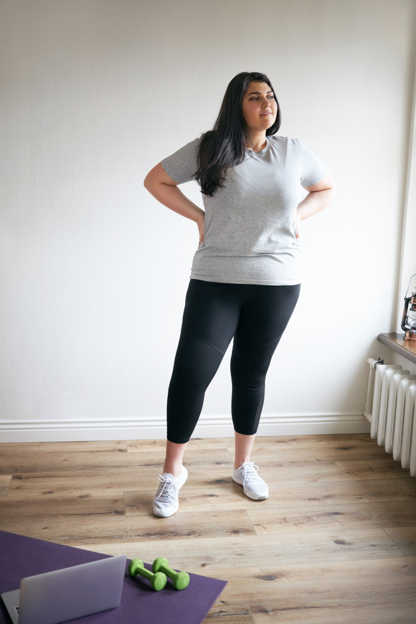
Image Credit: Freepik
Women often notice localized fat deposits that remain even after overall weight reduction:
This pattern is different from general weight gain and is often resistant to standard fat loss strategies.
During pregnancy, the body increases fat storage capacity as a biological adaptation. In some cases:
As a result, even consistent diet and exercise may not fully eliminate these areas.
Addressing this requires targeted intervention:
This is often misinterpreted as a lack of effort, but in reality, it reflects a deeper biological adaptation.
The conversation around body after pregnancy in India is evolving, and with it comes a more practical understanding of what the body can and cannot reverse on its own.
Not every change responds to discipline, and recognizing this early helps avoid unnecessary frustration.
If you are experiencing post pregnancy body changes that don't go away, the next step is not to increase effort blindly but to assess the root cause correctly.
Start by identifying whether the concern is related to fat, muscle separation, skin laxity, or functional issues like pelvic floor weakness. Each of these requires a different approach, and the right intervention depends on accurate evaluation.
If you are unsure where you stand, it is worth consulting specialists who deal with these conditions regularly. At Eternelle Aesthetics, our focus stays on assessing your current condition in detail, explaining what is reversible and what is not, and helping you explore appropriate, medically sound solutions without unnecessary procedures.
Ready to understand your options?
At Eternelle Aesthetics, Hyderabad, we begin with an honest assessment—explaining what is realistically reversible and what is not before recommending anything. No unnecessary procedures, no guesswork.
Schedule a Consultation →Medically reviewed by the clinical team at Eternelle Aesthetics, Hyderabad.
Common changes include loose skin, diastasis recti, breast sagging, pelvic floor weakness, and stubborn fat pockets. These are structural or hormonal issues that often require medical or procedural intervention.
Mild cases may improve with guided physiotherapy, but moderate to severe muscle separation usually does not fully heal with exercise alone and may require surgical correction for proper restoration.
Loose skin caused by overstretched collagen and elastin does not fully tighten naturally. Non-invasive treatments may help slightly, but significant skin laxity typically requires surgical correction like a tummy tuck.
A mommy makeover Hyderabad plan usually combines tummy tuck, liposuction, and breast procedures to address multiple post pregnancy body changes that don't go away through lifestyle changes alone.
Cosmetic surgery after pregnancy is usually considered after 6–12 months, once weight stabilises and recovery is complete. It helps address structural changes that cannot be corrected through diet and exercise.