
Date 31 Mar 2026
The right time to start anti-aging care cannot be decided by a number; it is defined by your skin’s behavior. Most experts agree that prevention should begin in the mid-20s, making this phase ideal if you’re wondering when to start anti-aging treatments. The best age to start anti-aging treatments is typically between 25 and 30, when collagen production begins to decline subtly, even if visible signs are not yet obvious. Starting early allows you to delay deeper wrinkles, pigmentation, and loss of elasticity rather than trying to reverse them later.
Skin aging is a progressive, multi-layered process involving structural, cellular, and biochemical changes. The dermis, where collagen, elastin, and glycosaminoglycans reside, gradually loses density and integrity over time. Fibroblast activity declines, leading to reduced collagen types I and III production. Simultaneously, matrix metalloproteinases (MMPs), enzymes that degrade collagen, become more active, especially under UV exposure.
At the epidermal level, keratinocyte turnover slows, resulting in uneven texture and dullness. The skin’s barrier function weakens, increasing transepidermal water loss (TEWL), which contributes to dehydration and sensitivity. Additionally, melanocyte activity becomes irregular, causing pigmentation disorders such as melasma and age spots.
These changes are influenced not only by intrinsic aging (genetics and time) but also by extrinsic factors such as ultraviolet radiation, oxidative stress, pollution, and lifestyle habits.
In this blog we'll help you understand when to start anti-aging treatments and why it cannot be delayed until visible wrinkles appear.
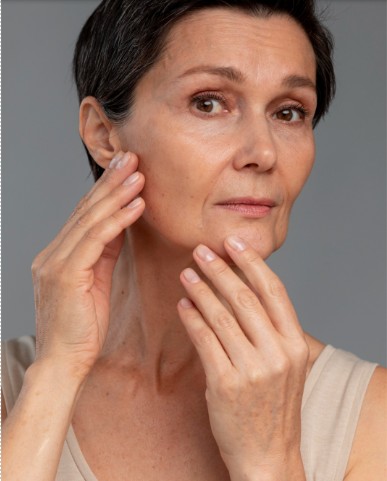
One of the most critical shifts in modern dermatology is the move from corrective to preventive treatment. Traditionally, patients sought treatment only after deep wrinkles or sagging became evident. However, by that stage, structural changes in the skin require more invasive and complex procedures.
Preventive dermatology focuses on maintaining collagen integrity, reducing oxidative stress, and supporting skin regeneration before visible damage accumulates. This approach is significantly more efficient, both biologically and economically.
When evaluating the best age to start anti-aging treatments, it becomes clear that early intervention minimizes long-term damage. Preventive treatments are typically less invasive, require shorter recovery times, and deliver more natural-looking results compared to corrective procedures.
Connect with- Dr. Deepthi Devarakonda
Rather than viewing anti-aging as a single phase, it is more accurate to see it as a continuum. The approach evolves across decades, aligning with the skin’s physiological changes.
The concept of anti-aging treatment begins with preservation. In your 20s, collagen production is still relatively robust, but early decline has already started. At this stage, the focus is on protecting the skin from external damage and maintaining its natural repair mechanisms.

Topical antioxidants such as vitamin C (ascorbic acid) help neutralize free radicals, while broad-spectrum sunscreen (SPF 30 or higher) prevents UV-induced collagen degradation. Mild chemical peels using alpha hydroxy acids (AHAs) like glycolic acid support controlled exfoliation and improve cellular turnover.
Non-invasive procedures such as hydrafacials and light enzymatic peels enhance hydration and barrier function without disrupting skin integrity. Starting early at this stage reinforces why the best age to start anti-aging treatments is before visible aging begins.
By the time you enter your 30s, the first visible signs of aging begin to emerge-fine lines, mild laxity, and uneven pigmentation. At this point, your approach should shift from pure prevention to targeted intervention.
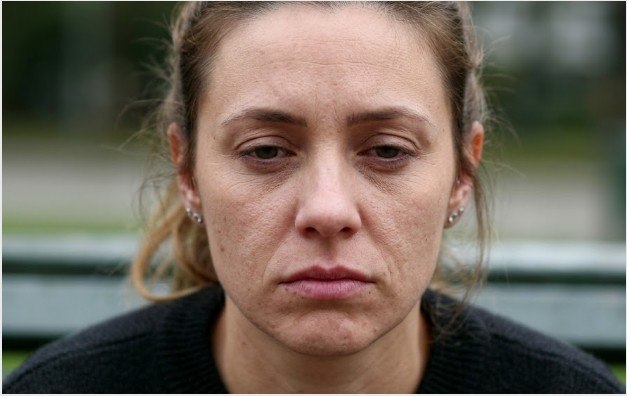
Procedures like microneedling induce controlled dermal injury, stimulating fibroblast activity and promoting neocollagenesis. When combined with platelet-rich plasma (PRP), the regenerative response is enhanced due to growth factors such as PDGF and TGF-β.
Laser-based treatments, including fractional lasers, address pigmentation and improve skin texture by promoting dermal remodeling. Neuromodulators (commonly referred to as Botox) may be introduced in small doses, often termed “preventive Botox”, to reduce repetitive muscle movements that contribute to dynamic wrinkles.
In your 40s, aging becomes more structurally evident. There is significant collagen depletion, reduced elastin function, and loss of subcutaneous fat, leading to volume loss and sagging.
At this stage, anti-aging treatment transitions into restoration. Dermal fillers composed of hyaluronic acid are used to restore volume and improve facial contours. Advanced laser resurfacing techniques stimulate deeper dermal layers, improving both texture and firmness.
Energy-based devices such as radiofrequency (RF) and high-intensity focused ultrasound (HIFU) are commonly used for skin tightening. These technologies work by inducing thermal injury in the dermis, triggering collagen contraction and long-term remodeling.
Combination therapy becomes essential in this phase, as multiple aspects of aging, volume loss, laxity, and pigmentation need to be addressed simultaneously.
Although general age ranges provide guidance, the decision regarding when to start anti-aging treatments should always be individualized. Your skin does not age based on a number; it responds to internal biology and external exposure over time.
Below are several key factors that influence this timing:
Genetics: Genetic predisposition plays a major role in how quickly collagen and elastin degrade. Some individuals naturally maintain skin density longer, while others may experience early fine lines and laxity.
Sun Exposure (Photoaging): Prolonged exposure to ultraviolet (UV) radiation accelerates collagen breakdown and increases matrix metalloproteinase (MMP) activity, leading to premature wrinkles, pigmentation, and loss of elasticity.
Lifestyle Habits: Smoking, poor nutrition, inadequate hydration, and lack of sleep contribute to oxidative stress and chronic inflammation, both of which speed up cellular aging and impair skin repair mechanisms.
Stress and Environmental Factors: Chronic stress elevates cortisol levels, which can degrade collagen over time. Pollution and environmental toxins further contribute to free radical damage and skin barrier dysfunction.
Hormonal Changes: Hormonal fluctuations, especially in women, affect sebum production, hydration levels, and dermal thickness. Reduced estrogen levels, in particular, are associated with decreased collagen synthesis and skin elasticity.
The best age to start anti-aging treatments is not fixed. Instead, it should be determined through a proper skin assessment that considers both biological changes and lifestyle influences, rather than relying solely on chronological age.
A well-structured approach to anti-aging treatment in your 20s, 30s, and 40s ensures that each phase of life is supported by the right level of care, starting with prevention, moving into targeted intervention, and eventually addressing structural restoration.
If you’re considering anti-aging treatments in Hyderabad, consult with our qualified expert who can assess your skin scientifically and design a personalized, evidence-based treatment plan tailored to your needs.
Healthy habits like balanced nutrition, proper hydration, quality sleep, and stress management support skin function, but they cannot fully prevent collagen loss or replace the targeted impact of clinical treatments.
If you notice persistent dullness, uneven tone, delayed healing, or early fine lines despite a consistent skincare routine, it indicates that topical care alone may not be sufficient for deeper skin support.
Most modern treatments can be safely customized for sensitive or acne-prone skin, but they require careful selection of techniques, controlled parameters, and professional supervision to avoid irritation or flare-ups.
Results vary depending on the treatment type, but most procedures show gradual improvements over weeks as collagen remodeling and cellular renewal processes take place beneath the skin surface.
Anti-aging treatments are maintenance-based rather than dependency-driven, meaning results can be sustained with periodic sessions, but discontinuation may gradually allow natural aging processes to progress over time.