
Date 03 Jun 2026
Medically Reviewed By
Dr. Maalavika Appasani — MS Obstetrics/Gynaecologist, Aesthetic & Functional Gynaecologist, Laparoscopic Surgeon
Dr. Deepthi Devarakonda — MS Gen Surgery, MCh Plastic Surgery, Consultant Plastic Surgeon
|
It is very common for people to assume that cosmetic surgery and plastic surgery are the same. The confusion usually begins with the visible outcome — both seem to change how the body looks. However, when you step back and understand how these fields evolved, you realize that their intent, training, and medical depth are quite different.
In the Indian healthcare landscape, understanding the difference between cosmetic and plastic surgeon India directly affects safety, results, and long-term satisfaction. The debate around cosmetic surgeon vs plastic surgeon becomes important the moment you start considering any procedure. But before understanding procedures, it is important to first understand intent — because that is where the biggest difference lies.
Cosmetic surgery is performed when a person wants to improve how they look. The motivation is usually aesthetic dissatisfaction — something that affects confidence or self-image.
Many people ask - Is cosmetic surgery the same as plastic surgery?' The answer is no. Cosmetic surgery focuses purely on enhancing appearance, while plastic surgery is a broader field that also involves restoring function and repairing damage.
Cosmetic procedures are primarily focused on enhancing appearance and improving visual balance, rather than addressing any medical condition or functional issue:
All of these fall under cosmetic procedures vs plastic surgery, where the primary goal is aesthetic refinement rather than medical correction.
Cosmetic practitioners are primarily focused on aesthetic treatments, but their training pathways can vary significantly:
This variability is the key reason why not all cosmetic surgeons are equipped to perform complex reconstructive or high-risk surgical procedures.
Meet Dr. Maalavika Appasani — Female Cosmetic Gynaecologist, Eternelle Aesthetics, Hyderabad
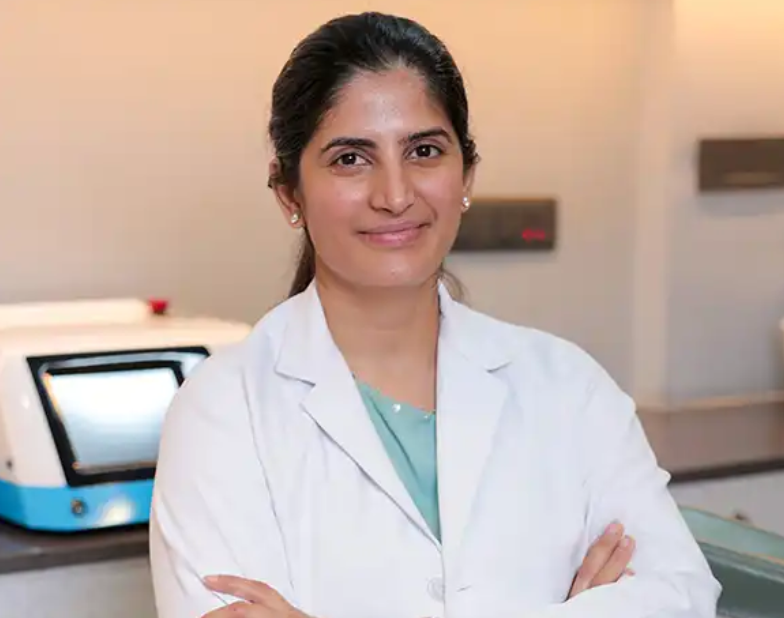
Dr. A. Maalavika is a leading female cosmetic gynaecologist in Hyderabad and an intimate care consultant for expecting mothers, with over a decade of experience in the field. She completed her education at Dr. NTR University of Health Sciences and holds an MS in Obstetrics and Gynaecology. With 12 years of clinical experience, she specializes in obstetrics, gynaecology, and cosmetic gynaecological procedures, offering comprehensive care tailored to women's health and aesthetic needs.
Book a Consultation with Dr. Maalavika →Plastic surgery, in contrast, is rooted in medical necessity. It is performed to restore form and function when the body has been affected by injury, disease, or congenital conditions.
A certified plastic surgeon in India is trained to handle both functional and aesthetic aspects, making this field far more comprehensive.
Plastic surgery procedures are designed to restore structure, improve function, and repair damage caused by injury, disease, or congenital conditions:
These procedures require a high level of surgical precision and anatomical understanding, which is why they are typically performed by a certified plastic surgeon in India.
Not sure which type of specialist is right for your procedure?
At Eternelle Aesthetics, both our cosmetic gynaecologist and plastic surgeon offer personalized consultations to help you understand your options, assess your condition, and determine the most appropriate and safe course of treatment.
Book a Consultation →A plastic surgeon follows a structured and highly regulated surgical training pathway:
This depth of training enables a certified plastic surgeon in India to perform both reconstructive and cosmetic procedures with a high level of precision and safety. It also equips them to manage complex surgical scenarios and unexpected complications effectively — a critical factor in achieving reliable long-term outcomes.
Doctor's Note
One of the most important questions a patient can ask before any procedure is: "What is your surgical training, and have you managed complications from this type of surgery before?" The answer reveals far more about safety than the procedure name or clinic branding. In India, where the term "cosmetic surgeon" is loosely used, verifying qualifications before making a decision is essential.
Meet Dr. Deepthi Devarakonda — MS Gen Surgery, MCh Plastic Surgery, Consultant Plastic Surgeon, Eternelle Aesthetics
Dr. Deepthi is a Female Plastic Surgeon in Hyderabad with an additional specialisation in female body aesthetics. She got her MBBS, MS in general surgery, and MCh in plastic surgery degrees from Dr. NTR University of Health Sciences, Andhra Pradesh. With over 14 years of work experience and meticulous attention to detail, Dr. Deepthi stands out as an expert in a wide range of aesthetic plastic surgeries. She is known for her intricate work in the fields of body contouring, full body rejuvenation, anti-aging, skin tightening, lip lift, rhinoplasty, facelifts, and more.
Book a Consultation with Dr. Deepthi →To make the distinction clearer, it is important to not only compare the procedures but also the professionals behind them. The table below reflects the difference between a plastic surgeon and a cosmetic surgeon, along with how their scope and training impact outcomes.
| Aspect | Plastic Surgeon | Cosmetic Surgeon |
|---|---|---|
| Primary Goal | Restores function and structure along with improving appearance when needed | Focuses on enhancing physical appearance and aesthetic refinement |
| Medical Need | Often essential for treating injuries, defects, or post-surgical reconstruction | Primarily elective and chosen for aesthetic improvement |
| Training Pathway | MBBS → MS (General Surgery) → MCh/DNB in Plastic Surgery (super-specialization) | Varies widely; may include dermatology, general medicine, or short-term aesthetic training |
| Scope of Practice | Performs both reconstructive and cosmetic procedures | Typically limited to aesthetic and non-reconstructive procedures |
| Surgical Expertise | Trained to handle complex anatomy, functional restoration, and complications | Skill level varies; usually focused on appearance-based techniques |
| Complexity Handling | Equipped to manage high-risk, multi-layered surgical cases | Generally handles moderate complexity, mostly aesthetic procedures |
| Regulation in India | Recognized and regulated specialty under medical authorities | Not a separately regulated specialty; title can be loosely used |
| Types of Procedures | Burn reconstruction, cleft repair, microsurgery, breast reconstruction, cosmetic surgeries | Liposuction, fillers, Botox, rhinoplasty (aesthetic), facelifts |
| Complication Management | Trained in emergency handling, revisions, and functional corrections | May have limited exposure to managing complex surgical complications |
| Reliability for Major Surgery | Preferred for invasive and medically complex procedures | Suitable mainly for minor or non-surgical aesthetic treatments |
Plastic surgery and cosmetic surgery may overlap, but they are fundamentally different in purpose and training.
Cosmetic surgery is about how you look. Plastic surgery is about how your body functions and heals.
If you are considering any aesthetic or reconstructive procedure, the most important next step is personalized medical guidance. Book a consultation with experienced specialists at Eternelle Aesthetics to understand your condition in detail, evaluate the right approach, and explore safe, medically sound treatment options tailored to your needs.
Ready to speak with the right specialist?
At Eternelle Aesthetics, Hyderabad, our team includes both a certified plastic surgeon and a specialist cosmetic gynaecologist — ensuring you receive the most appropriate, safe, and medically sound guidance for your specific procedure. Consultations are personalized, private, and focused on realistic outcomes.
Book Your Consultation → Call Us Today →Cosmetic surgeons typically focus on aesthetic procedures. Reconstructive surgeries require specialized training, usually held by plastic surgeons with formal surgical education and experience in handling functional corrections.
No, cosmetic procedures can be surgical or non-surgical. Surgical ones include liposuction or facelifts, while non-surgical treatments include fillers, Botox, and skin rejuvenation therapies.
Plastic surgeons often have broader surgical training, making them better equipped to handle complications, anatomical challenges, and complex procedures — which can improve safety and long-term outcomes.
The confusion arises because cosmetic surgery is widely marketed, while plastic surgery is a formal specialty. Overlapping procedures and lack of strict regulation contribute to misunderstanding.
Most plastic surgeons are trained in both reconstructive and cosmetic procedures, but some may choose to specialize further based on their interest, experience, and practice focus.