
Date 20 Mar 2026
Persistent belly fat which is not going even after regular exercise is often a result of biological, hormonal, and metabolic resistance, not lack of effort.
Solutions range from structured lifestyle correction to clinically guided treatments like liposuction for belly and non-invasive fat reduction.
Choosing the right stubborn belly fat solution depends on understanding fat type, body response, and long-term sustainability.
Many individuals follow disciplined gym routines, maintain calorie control, and still notice that their abdominal fat remains unchanged. This disconnect often leads to frustration, but it also points toward a deeper truth: fat loss is not uniform across the body.
While overall weight may reduce, the abdominal region tends to hold onto fat longer because it is metabolically and hormonally different. This means that even as your arms, legs, or face become leaner, your belly may appear unchanged. As a result, what seems like a lack of progress is actually your body prioritizing fat retention in specific areas.
Struggling with belly fat despite consistent effort? Learn the root causes of stubborn fat from experts
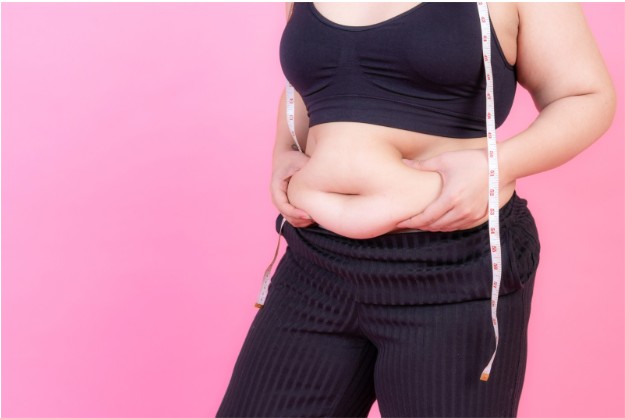
To understand why your belly fat not going even after exercise, it is important to first understand the nature of belly fat itself.
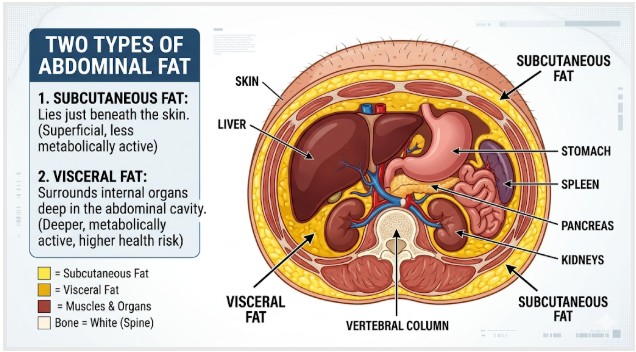
Broadly, abdominal fat exists in two forms:
- Subcutaneous fat, which lies just beneath the skin.
- Visceral fat, which surrounds internal organs.
While visceral fat is associated with health risks, the visible concern for most individuals is subcutaneous fat, the layer that refuses to shrink despite consistent effort.
Compared to other areas, belly fat has reduced blood flow, which slows down fat mobilization. At the same time, it contains a higher concentration of alpha-receptors, which actively resist fat breakdown.
When combined with hormonal influences such as cortisol and insulin, this creates an environment where fat is more likely to stay than leave.
As you continue exercising, your body gradually adapts to the stress you place on it. Initially, this leads to fat loss, improved strength, and better endurance. However, over time, the same routine becomes less effective, and progress begins to slow down. This plateau is particularly noticeable when dealing with belly fat.
One reason for this is metabolic adaptation. When you maintain a calorie deficit for an extended period, your body becomes more efficient at conserving energy. As a result, fat-burning slows down, and the body prioritizes storing fat in areas like the abdomen, which are considered essential reserves.
At the same time, lifestyle factors begin to play a larger role. Poor sleep increases cortisol levels, which directly contributes to abdominal fat storage. Similarly, chronic stress and irregular eating patterns disrupt hormonal balance, making it even harder to lose fat. This creates a situation where, despite regular gym sessions, the outcome remains unchanged.
This is exactly why many people reach a point where they say, “I am doing everything right, but my belly fat is still not going.”
Once you understand that belly fat behaves differently, it becomes clear that solving it requires a more structured approach. While exercise remains essential, it often needs to be combined with targeted strategies to address stubborn fat effectively.
The first layer of intervention is always lifestyle optimization. This includes improving protein intake, focusing on strength training instead of excessive cardio, maintaining consistent sleep patterns, and actively managing stress.
These changes create a foundation for fat loss, but in many cases, they are not enough to eliminate stubborn fat completely. This is where advanced solutions begin to play a role.
For individuals who prefer non-invasive methods, several technologies are designed to act as a stubborn belly fat solution without surgery. These treatments work by targeting fat cells and gradually reducing their volume over time.
Cryolipolysis, for instance, uses controlled cooling to damage fat cells, which the body then eliminates naturally.
Similarly, laser-based treatments apply heat to break down fat while also improving skin tightening.
Radiofrequency technologies go a step further by combining fat reduction with collagen stimulation, enhancing both contour and skin quality.
While these methods are effective, their results are gradual and often require multiple sessions. They are best suited for individuals with moderate fat deposits who are looking for incremental improvements rather than immediate transformation.
When belly fat is not going even after exercise, liposuction offers a direct and predictable solution.
When non-surgical methods and exercise fail to deliver noticeable results, liposuction for belly becomes a more definitive option. Unlike other treatments that shrink fat cells, liposuction physically removes them from the body, making it one of the most reliable approaches for targeted fat reduction.\
Explore: The Ultimate Guide To Liposuction Surgery
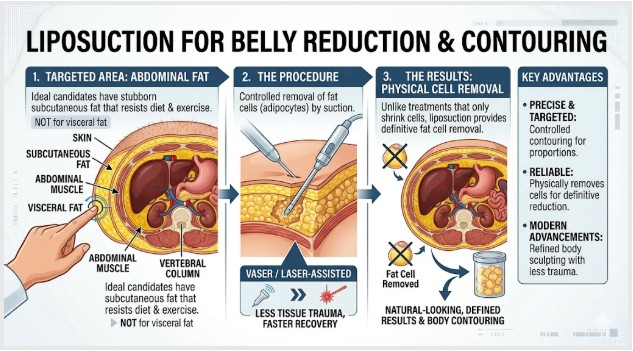
The strength of liposuction lies in its precision. It allows for controlled contouring of the abdominal area, ensuring that fat is removed in a way that enhances overall body proportions. This makes it particularly effective for individuals who are already close to their ideal weight but struggle with localized fat pockets.
Modern advancements have further improved the safety and outcomes of liposuction. Techniques such as VASER and laser-assisted liposuction reduce tissue trauma, promote faster recovery, and deliver more natural-looking results. As a result, the procedure has evolved from being purely surgical to becoming a refined body sculpting solution.
One of the most common questions is whether liposuction offers permanent fat removal. The answer is yes, but with an important nuance.
When fat cells are removed through liposuction, they do not regenerate. This means the treated area will always have fewer fat cells than before. However, the remaining fat cells can still expand if lifestyle habits are not maintained. Therefore, while liposuction provides structural fat reduction, long-term results depend on consistent health practices.
Read more: Is Liposuction Safe? Complete Guide to Risks, Results, and What to Expect
Deciding between non-surgical treatments and liposuction depends on multiple factors, including the amount of fat, skin elasticity, and personal expectations. For mild fat accumulation, non-invasive treatments may be sufficient. However, for more persistent cases where belly fat not going even after exercise, liposuction offers a more predictable outcome.
It is also important to consider the timeline of results. Non-surgical treatments require patience, while liposuction delivers visible changes within a shorter period. This makes it a preferred choice for individuals seeking more immediate transformation.
If your belly fat not going even after exercise, it is a reflection of how the body holds onto fat. And once you understand that, the next step becomes much clearer. Instead of pushing harder at the gym, it makes more sense to explore solutions that actually work for your body.
From lifestyle changes to advanced options like liposuction for belly, the right stubborn belly fat solution depends on your goals. If you’re looking for reliable, visible results, expert-led treatments at Eternelle Aesthetics can help you move forward with clarity and confidence. Book a consultation to learn more.
Belly fat tends to reduce last because it is hormonally protected and metabolically resistant, meaning the body prioritizes preserving fat in this area despite overall weight loss.
Non-surgical treatments reduce fat cells gradually, but results are not entirely permanent, as remaining fat cells can expand again if diet, activity, and lifestyle habits are not maintained.
Initial improvements after liposuction can be noticed within a few weeks, while final results become more defined over two to three months as swelling subsides completely.
Chronic stress elevates cortisol levels, which promotes fat storage in the abdominal region and can significantly slow down or even prevent effective belly fat reduction over time.
Liposuction is most suitable for individuals with stable weight and localized fat deposits, and it is not intended as a weight loss method for people with generalized obesity.