
Date 12 Jun 2026
Medically Reviewed By
Dr. Maalavika Appasani — MS Obstetrics/Gynaecologist, Aesthetic & Functional Gynaecologist, Laparoscopic Surgeon
Dr. Deepthi Devarakonda — MS Gen Surgery, MCh Plastic Surgery, Consultant Plastic Surgeon
|
India's monsoon is a season of relief, freshness, and sudden change. After months of harsh summer heat, the first spell of rain feels comforting. The air becomes cooler, the surroundings look greener, and the weather feels easier to tolerate. But while the monsoon brings emotional and environmental relief, it also brings a new set of challenges for the skin.
This is especially true in cities like Hyderabad, where the rainy season does not always mean pleasant weather throughout the day. The city often experiences a mix of humidity, sudden showers, pollution, damp air, and occasional heat between rains. This combination can confuse the skin. One moment the weather feels cool, and the next, the skin starts feeling sticky, oily, dull, or irritated.
That is why monsoon skincare in Hyderabad needs a slightly different approach from regular summer or winter skincare. During this season, you should not overload the skin with too many products but should focus on keeping the skin clean, balanced, protected, and comfortable in the humid and changing weather. At Eternelle Aesthetics, Hyderabad, our dermatologist-guided approach helps patients navigate seasonal skin changes with targeted, personalized care.
During the monsoon, many people notice that their skin suddenly changes. A skincare routine that worked well in summer may not feel right anymore. Heavy creams may feel greasy. Sunscreen may feel sticky. Makeup may not last long. Acne may appear more often than usual.
The most common skin concerns during this season include:
These issues are common across many skin types, which is why skincare for Indian skin during monsoon must be practical, gentle, and climate-aware.
Doctor's Note
Monsoon is the season where we see the most skin confusion in clinic. Patients switch to heavy winter creams thinking the weather is cooler, which clogs pores and triggers acne. Others stop moisturizing entirely because of oiliness, which disrupts the skin barrier. The principle is simple — keep it light, keep it clean, and keep it consistent.

Image Credit: Magnific
Cleansing is the foundation of monsoon skincare. During the rainy season, the skin collects sweat, oil, dust, and pollution more easily. However, this does not mean the face should be washed repeatedly with harsh cleansers.
Over-cleansing can strip the skin and make it produce even more oil. Instead, use a mild, pH-balanced cleanser twice a day. If the skin feels very oily or exposed to pollution, a gentle gel-based cleanser can help. For dry or sensitive skin, a non-foaming or cream-based cleanser may work better.
One of the most useful rainy season skincare tips is to cleanse the face after coming home from outside. Rainwater, sweat, and environmental pollutants should not remain on the skin for long. A simple cleanse can prevent congestion and reduce the chance of breakouts.
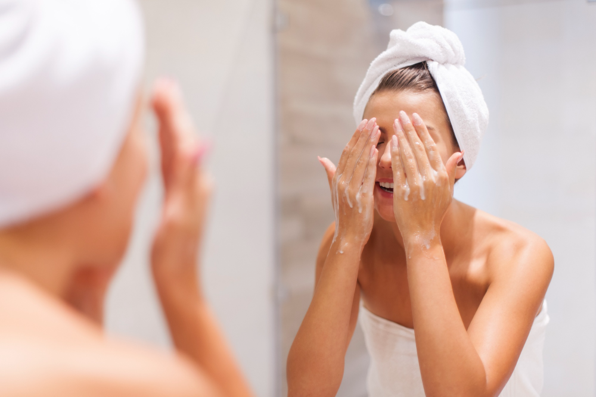
Image Credit: Magnific
Many people skip moisturizer during the monsoon because their skin already feels oily. This is a common mistake. Humidity can make the skin feel sticky, but it does not always mean the skin is properly hydrated. In fact, oily skin can still be dehydrated.
For skincare for humid weather, choose a lightweight, non-comedogenic moisturizer. Gel-based or water-based moisturizers usually work well for oily and combination skin. For dry skin, a light lotion may be better than a heavy cream.
Moisturizer helps maintain the skin barrier. A healthy skin barrier reduces irritation, sensitivity, and breakouts. This is especially important for skincare for Indian skin, as Indian skin can be more prone to pigmentation, acne marks, and uneven tone after inflammation.
Struggling with monsoon skin changes?
At Eternelle Aesthetics, Hyderabad, our specialists provide personalized seasonal skin assessments — identifying your skin type, triggers, and the right routine for Hyderabad's rainy season.
Book a Skin Consultation →Cloudy weather does not mean the skin is safe from sun damage. UV rays can still pass through clouds and affect the skin. In Hyderabad, even during the rainy season, there can be bright spells between showers. That means sunscreen remains essential.
Choose a broad-spectrum sunscreen with SPF 30 or higher. For skincare for humid weather, a gel-based, matte, or lightweight sunscreen is often more comfortable. If the skin is acne-prone, look for a non-comedogenic formula.
Sunscreen is also important because acne marks and pigmentation can become darker with sun exposure. For skincare for Indian skin, this step is especially useful because Indian skin tones are more likely to develop post-inflammatory hyperpigmentation after acne, rashes, or irritation. Unaddressed pigmentation can be treated with specialist skin treatment when it persists beyond seasonal changes.
Acne is one of the biggest skin concerns during the rainy season. The mix of humidity, sweat, bacteria, and pollution can clog pores quickly. This is why monsoon acne prevention should be part of the daily routine.
Start by keeping the face clean but avoid scrubbing aggressively. Use lightweight products that do not block pores. Avoid applying heavy oils or thick creams on acne-prone areas. Change pillow covers regularly, clean mobile screens, and avoid touching the face repeatedly.
For people who experience frequent breakouts, ingredients like salicylic acid, niacinamide, or benzoyl peroxide may help, but they should be used carefully. Overuse can irritate the skin. If acne is painful, persistent, or leaving marks, it is better to consult a dermatologist instead of trying too many products at once.
Exfoliation helps remove dead skin cells and prevent clogged pores. However, during the monsoon, the skin may already be dealing with humidity, pollution, and sensitivity. Harsh scrubs can damage the skin barrier and make acne or pigmentation worse.
A gentle chemical exfoliant once or twice a week may be enough for most people. Avoid using strong actives every day unless advised by a professional. One of the most practical rainy season skincare tips is to exfoliate less but consistently because aggressive exfoliation can sometimes lead to irritation and dark spots.
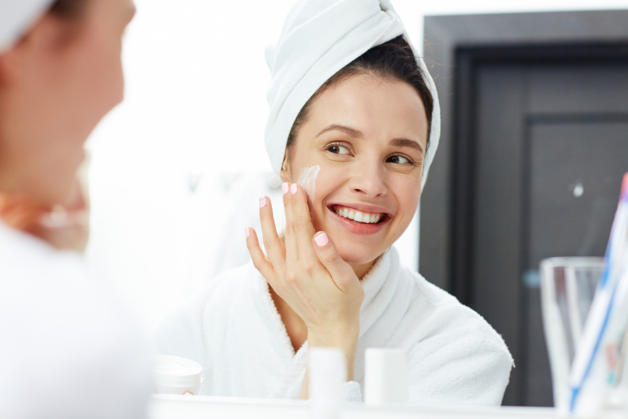
Image Credit: Magnific
Monsoon skincare is not only about the face. The body also needs attention. Damp clothes, sweat, and humidity can trigger body acne, itching, and fungal infections. Areas like the back, chest, underarms, inner thighs, feet, and neck may become more vulnerable.
After getting wet in the rain, change clothes as soon as possible. Do not sit for long in damp clothes. Use a clean towel to dry skin folds properly. Wear breathable cotton fabrics when possible.
For monsoon skincare in Hyderabad, this is important because the weather may remain humid even after the rain stops. If the skin stays damp for long, fungal infections can develop quickly.
A night routine gives the skin time to recover. During the monsoon, keep it simple. Cleanse the face properly, apply a lightweight moisturizer, and use targeted treatment only if needed. Avoid layering too many serums and creams, especially if the skin feels congested.
For skincare for humid weather, less is often better. A simple routine reduces the chance of clogged pores and irritation. If you use active ingredients like retinol, acids, or acne treatments, avoid introducing multiple products at once.
This approach supports monsoon acne prevention because the skin gets enough care without being overloaded.
Skincare products help, but daily habits matter just as much. Drink enough water, eat fresh fruits and vegetables, and avoid excessive fried or sugary foods if they trigger breakouts. Sleep also plays an important role in skin repair.
During the rainy season, many people drink less water because the weather feels cooler. But humidity can still cause sweating and dehydration. Balanced hydration supports better skin texture and barrier function.
Another useful habit is to avoid sharing towels, makeup, or skincare tools. Damp weather can increase microbial growth, so hygiene becomes an important part of rainy season skincare tips.
Doctor's Note
Many patients come in after monsoon acne has already left dark marks and taken weeks to resolve. The damage from picking, over-treating, or using the wrong products during humid weather can be harder to reverse than the acne itself. Indian skin is more prone to post-inflammatory hyperpigmentation — which means early, gentle, and appropriate care during the rainy season saves a lot of time and effort later.
Hyderabad's rainy season brings a mix of relief and skin challenges. The weather may feel cooler, but humidity, pollution, sweat, and dampness can affect the skin in many ways. Acne, oiliness, dullness, fungal infections, and irritation are common during this time.
The best approach to monsoon skincare in Hyderabad is simple and consistent. Cleanse gently, moisturize lightly, use sunscreen daily, avoid heavy products, keep the skin dry, and focus on hygiene.
However, if breakouts, sensitivity, pigmentation, or dullness continue despite regular care, it may be time to seek expert guidance. The skin may need a more personalized approach based on its type, concerns, and seasonal triggers. To understand what works best for your skin during Hyderabad's rainy season, talk to the experts at Eternelle Aesthetics and get a skincare plan designed around your needs.
Get a monsoon skincare plan designed for your skin.
At Eternelle Aesthetics, Hyderabad, we combine dermatologist expertise with a personalized approach to help your skin stay healthy, balanced, and clear through every season. Book a consultation today for a skincare plan built around your skin type and Hyderabad's seasonal conditions.
Book Your Consultation →Medically reviewed by Dr. Maalavika Appasani and Dr. Deepthi Devarakonda, Eternelle Aesthetics, Hyderabad.
No. Oily skin still needs moisturizer during the monsoon. Humidity can make the skin feel greasy, but the skin may still lack hydration. A lightweight, gel-based, non-comedogenic moisturizer helps maintain the skin barrier without making the face feel heavy.
Yes. Sunscreen should be reapplied even on cloudy days because UV rays can still affect the skin. If someone is outdoors, sweating, or getting wet in the rain, sunscreen should ideally be reapplied every 2–3 hours.
Ingredients like salicylic acid, niacinamide, benzoyl peroxide, and tea tree-based formulations may help acne-prone skin. However, they should be used carefully. Overuse can cause dryness, irritation, or more breakouts.
During humid weather, it is better to use lightweight, non-comedogenic makeup. Heavy foundations can clog pores and melt quickly. A tinted sunscreen, compact powder, or light BB cream may work better for daily use.
A dermatologist should be consulted if acne becomes painful, breakouts leave dark marks, itching continues, rashes spread, or fungal infections keep returning. Early treatment can prevent pigmentation, scarring, and long-term skin irritation.