
Date 12 Jun 2026
Medically Reviewed By
Dr. Maalavika Appasani — MS Obstetrics/Gynaecologist, Aesthetic & Functional Gynaecologist, Laparoscopic Surgeon
Dr. Deepthi Devarakonda — MS Gen Surgery, MCh Plastic Surgery, Consultant Plastic Surgeon
|
Hair fall can feel alarming in any season, but many people notice it more during the summer. In India, summer often means intense heat, sweating, humidity, pollution, hard water exposure, and frequent washing. In such extreme conditions, hair fall can become even more noticeable.
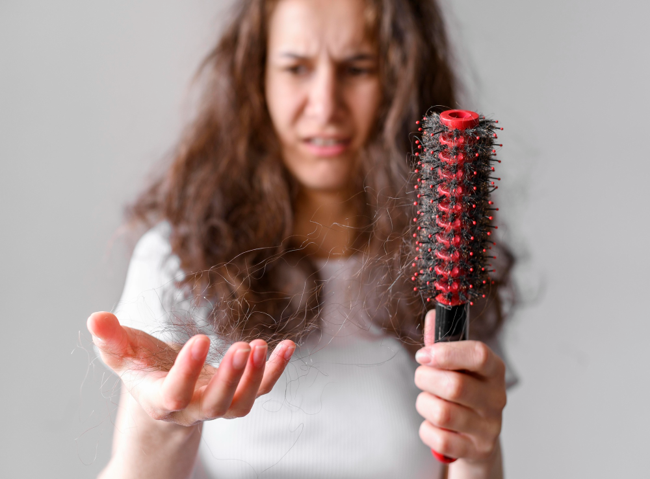
Image Credit: Magnific
It is important to know that not every episode of summer hair fall means permanent hair loss. In many cases, it is a temporary seasonal response. However, when shedding continues for weeks, becomes excessive, or appears with scalp itching, dandruff, patchy bald spots, or visible thinning, it needs medical attention.
Dermatologists often differentiate between hair shedding and true hair loss. Hair shedding usually happens when more hair enters the resting phase of the hair cycle, while true hair loss may occur when follicles shrink, become inflamed, scarred, or stop producing healthy hair. Effective seasonal hair loss treatment begins with finding the exact cause, because different causes need different treatment plans. To understand summer hair fall, it helps to first understand how hair grows.
Each hair follicle goes through three main stages.
At any given time, most scalp hair remains in the growth phase. A smaller percentage remains in the resting phase. Telogen effluvium happens when more hairs than usual shift into the resting phase and fall out together. Medical literature describes telogen effluvium as a common form of diffuse, non-scarring hair shedding that may happen after physical stress, illness, hormonal shifts, nutritional deficiency, medication changes, or other triggers.
Summer does not usually damage the follicle permanently on its own. But it can create multiple stressors that push already vulnerable hair into shedding. This is why people who are already dealing with low iron, thyroid imbalance, PCOS, crash dieting, poor sleep, recent fever, stress, dandruff, or genetic thinning may notice sharper hair fall during hot months.
Read more: Hair Fall vs Hair Loss: How to Identify the Stage & Act Early
Hair fall often increases during Indian summers because the scalp and hair are exposed to heat, sweat, humidity, dust, and pollution almost every day. These factors may not always cause permanent hair loss, but they can disturb scalp health and increase shedding or breakage.
During summer, the scalp sweats more than usual. This sweat mixes with oil, dust, pollution, sunscreen residue, and styling products. If the scalp is not cleaned properly, this buildup can clog follicles, trigger itching, and worsen dandruff or folliculitis.
Heat can increase sebum production in some people. Sebum protects the scalp in small amounts, but excess oil can make the scalp greasy and uncomfortable. When oil combines with sweat and humidity, it may disturb the scalp's microbial balance and aggravate dandruff or seborrheic dermatitis.
Strong sun exposure can weaken the outer layer of the hair shaft. This makes hair dry, rough, frizzy, and more likely to break. In such cases, the problem may look like hair fall, but it is often breakage rather than shedding from the root.
Washing too often with harsh shampoos can dry the scalp and hair. Not washing enough can allow sweat and oil buildup. The right routine depends on scalp type and hair condition.
In many Indian cities, hard water leaves mineral deposits on hair. This makes hair rough, tangled, and harder to comb, increasing breakage during daily grooming.
Doctor's Note
In our experience, most patients presenting with summer hair fall in Hyderabad have at least one underlying trigger that was already present — low ferritin, thyroid imbalance, scalp inflammation, or chronic stress. Summer heat doesn't cause hair loss in isolation; it amplifies what is already vulnerable. This is why diagnosis always comes before treatment.
A good seasonal hair loss treatment starts with diagnosis. The goal is not only to stop hair fall temporarily but to identify why the scalp and follicles are reacting. A dermatologist or trichologist may examine the scalp, perform a hair pull test, use trichoscopy, and recommend blood tests when needed.
Common investigations may include complete blood count, ferritin, vitamin D, vitamin B12, thyroid profile, hormonal evaluation in selected women, and markers of inflammation if clinically required. These tests help detect hidden triggers such as iron deficiency, thyroid imbalance, nutritional gaps, post-illness shedding, or hormonal hair loss.
If dandruff, seborrheic dermatitis, itching, or scalp inflammation is present, medicated shampoos or short-term topical medicines may be prescribed.
If genetic or pattern hair loss is detected, treatments like minoxidil, oral medicines, or procedural therapies may be suggested based on age, gender, and diagnosis. For persistent or progressive thinning, medical hair loss treatment in Hyderabad provides a structured, dermatologist-guided approach based on your specific condition.
For summer-related shedding, lifestyle correction matters. Protein intake should be adequate because hair is primarily made of keratin, a protein. Crash dieting should be avoided. Hydration should be maintained. Heat styling should be reduced. Tight hairstyles should be limited because constant pulling can worsen traction-related hair loss.
Noticing more hair fall this summer?
Our specialists at Eternelle Aesthetics evaluate scalp condition, follicular health, and underlying triggers before recommending any treatment — ensuring the right plan for your specific pattern of hair loss.
Book a Hair Consultation →GFC stands for Growth Factor Concentrate. It is a regenerative hair treatment prepared from the patient's own blood. The blood sample is processed to extract growth factors from platelets, which are then injected into the scalp.
Explore Our Services: GFC Treatment in Hyderabad
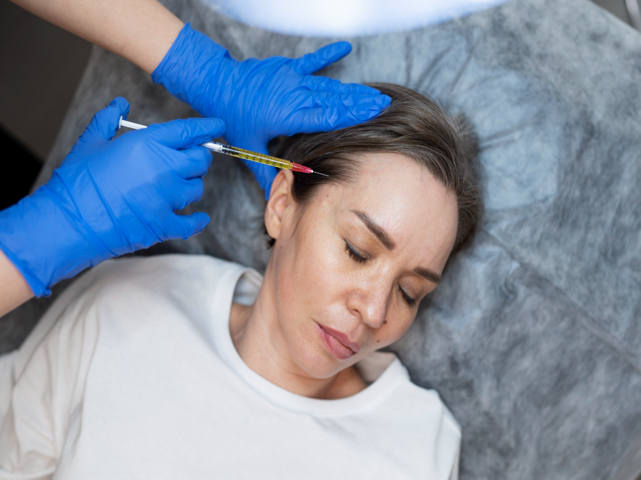
Image Credit: Magnific
The science behind GFC is related to platelet-derived growth factors. These growth factors may support follicle activity, improve scalp microenvironment, and encourage thicker hair growth in selected patients. Similar platelet-based treatments such as PRP have been studied for androgenetic alopecia. Research explains that activated platelets release growth factors that play a role in promoting hair growth.
GFC is often considered a more refined platelet-derived preparation because it aims to concentrate growth factors while reducing unnecessary cellular components. Some studies have reported promising outcomes for androgenetic alopecia, though results vary by patient, stage of hair loss, number of sessions, and combination treatment.
However, GFC is not a magic cure. It works best when follicles are still alive but weak or miniaturized. It cannot revive completely scarred areas or long-standing bald patches where follicles are absent. It is usually combined with medical therapy, scalp care, nutritional correction, and long-term maintenance.
Doctor's Note
GFC is a useful tool in our treatment plans, but timing matters enormously. It works best when the follicle is still alive and responding. Patients who wait until the bald area is completely established get far less benefit. If you are noticing progressive thinning, early evaluation and a structured treatment plan will always give better outcomes than waiting.
For patients whose hair loss has progressed beyond what medical therapy and GFC can address, hair transplant in Hyderabad may be evaluated as a long-term restoration option — but only after a thorough assessment of donor density, scalp stability, and medical suitability.
Summer hair fall is common, especially in India, but it should not be dismissed casually. Heat, sweat, humidity, dehydration, scalp buildup, dandruff, UV exposure, and nutritional gaps can all contribute to increased shedding. In many cases, this is temporary and improves with proper scalp care and correction of triggers.
However, persistent or patterned hair loss needs expert care. If hair fall is heavy, recurring, patchy, or associated with scalp symptoms, consulting a trichologist in Hyderabad can help identify the root cause early. Treatments such as medical therapy, scalp disease management, nutritional correction, and GFC treatment for hair fall Hyderabad may help when chosen for the right patient.
At Eternelle Aesthetics, we advise our patients not to panic, but also not to ignore hair fall either. Hair fall is easier to manage when the follicles are still active, the diagnosis is clear, and treatment begins at the right time. Book a consultation with us to identify the right approach for yourself.
Don't ignore persistent hair fall this summer.
At Eternelle Aesthetics, Hyderabad, we begin with a thorough scalp and diagnostic evaluation before recommending any treatment. Early action leads to better outcomes — book a consultation today to understand your hair loss pattern and the most suitable path forward.
Book Your Consultation →Medically reviewed by Dr. Maalavika Appasani and Dr. Deepthi Devarakonda, Eternelle Aesthetics, Hyderabad.
Swimming may not directly damage the follicle, but chlorine can dry the hair shaft, increase roughness, and cause breakage. Rinsing hair before and after swimming can reduce damage.
Light oiling may reduce dryness and friction, but heavy oiling on a sweaty or dandruff-prone scalp can worsen buildup. It is better to oil only if the scalp tolerates it.
Cutting hair short does not stop hair fall from the root, but it can reduce tangling, breakage, and visible shedding. It may make hair easier to manage in summer.
Air conditioning can dry the scalp and hair shaft in some people, especially with prolonged exposure. This may increase frizz and breakage, but it usually does not cause permanent hair loss.
You may need a lighter, scalp-friendly shampoo in summer if your scalp becomes oily or sweaty. However, medicated shampoos should be used only when dandruff or scalp inflammation is present.